What Wildlife Is Active in Jacksonville Right Now?
Use this seasonal guide to see which animals are commonly active, nesting, breeding, or seeking shelter around Northeast Florida homes.
Cool Weather Shelter Seeking
Most Noticed Wildlife
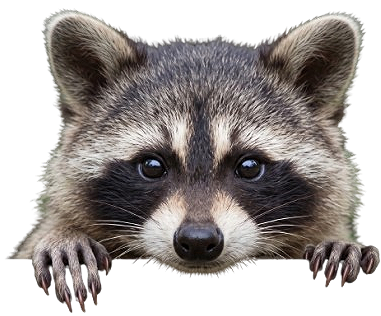
Rodents, raccoons, squirrels, and opossums may look for warm, dry shelter around attics, garages, crawlspaces, and sheds.
Common Signs
- Scratching or movement in the attic
- Droppings near garage corners or storage areas
- Chewed entry points around rooflines or soffits
What This Looks Like at Home
You hear light scratching above the ceiling early in the morning, especially near a garage, pantry wall, or attic hatch. In cooler months, small animals may use tiny gaps around the home for shelter.
Early Nesting Activity Begins
Most Noticed Wildlife
Raccoons and squirrels may become more active around rooflines, vents, chimneys, and attic spaces as nesting season approaches.
Common Signs
- Daytime squirrel activity along the roof
- Heavy nighttime movement from larger animals
- Damaged soffits, vents, or fascia boards
What This Looks Like at Home
You notice squirrels running the same roofline every morning, then start hearing fast movement over one room. That pattern can point to an active entry point near the fascia, soffit, or roof return.
Spring Wildlife Activity Picks Up
Most Noticed Wildlife
Raccoons, squirrels, birds, snakes, and armadillos become more visible as temperatures warm across Jacksonville.
Common Signs
- Birds nesting in vents or gutters
- Armadillo digging in lawns and landscape beds
- Snakes moving near sheds, patios, and wood piles
What This Looks Like at Home
You hear heavier movement at night, almost like something walking or dragging across the attic. In spring, that can mean a larger animal has found a quiet place to nest.
Bat Maternity Season Begins
Most Noticed Wildlife
Bats, raccoons, squirrels, birds, snakes, and armadillos are all commonly active. Florida bat maternity season begins April 16.
Common Signs
- Bats exiting near dusk from roof gaps or vents
- Bird nests in dryer vents, soffits, and gutters
- Increased snake sightings around warm paved areas
What This Looks Like at Home
You see small dark shapes leaving the same roof gap around sunset, or you notice droppings below a gable vent. April is an important timing month because bat exclusion rules change once maternity season begins.
Peak Spring Wildlife Pressure
Most Noticed Wildlife
Bats, snakes, raccoons, birds, armadillos, and rodents may all be active around homes, especially near water, shade, and food sources.
Common Signs
- Noises in attic spaces from nesting animals
- Bat droppings below roofline gaps
- Digging near patios, fences, and foundation edges
What This Looks Like at Home
A homeowner hears chirping, scratching, or movement in one section of the attic and assumes it is one animal. In May, it may be a mother with young, especially when the sound stays in the same area.
Heat, Rain, and High Activity
Most Noticed Wildlife
Snakes, bats, armadillos, raccoons, and rodents stay active through warm, wet weather. Yard activity may increase after storms.
Common Signs
- Snake sightings near garages and shaded areas
- Fresh armadillo holes after rainfall
- Odors or stains from attic wildlife activity
What This Looks Like at Home
After a heavy rain, new holes appear in the lawn or along landscape beds. Soft soil can make digging and foraging activity much easier to spot.
Summer Wildlife Around Homes
Most Noticed Wildlife
Bats remain in maternity season, while snakes, rodents, raccoons, and armadillos stay active in Jacksonville’s summer conditions.
Common Signs
- Bats leaving structures near sunset
- Rodent activity around outdoor storage
- Animals using shaded crawlspaces or decks
What This Looks Like at Home
You spot a snake near the garage, pool equipment, patio edge, or wood pile. In the heat of summer, shaded areas around the house can become regular travel paths.
Late Summer Wildlife Movement
Most Noticed Wildlife
Bat maternity season ends in mid-August. Snakes, armadillos, rodents, and raccoons may remain active through humid late-summer weather.
Common Signs
- Bat activity around roof edges or gable vents
- Digging in softened soil after rain
- Rodents moving around garages and sheds
What This Looks Like at Home
You have seen bats near the same roofline for weeks and finally want the gap sealed. August is timing-sensitive because maternity season runs into the middle of the month.
Storm Season Entry Points
Most Noticed Wildlife
Storms and heavy rain can open gaps or push animals toward higher, drier shelter. Rodents, raccoons, snakes, and bats may be noticed.
Common Signs
- New roofline gaps after wind or rain
- Wildlife entering damaged vents or soffits
- Snake activity near debris or standing water areas
What This Looks Like at Home
A storm passes through, then a few days later you hear movement above the ceiling or notice a new gap near the soffit. Small damage can become an easy entry point.
Fall Shelter Checks
Most Noticed Wildlife
Rodents, squirrels, raccoons, and bats may use small openings before cooler nights arrive. This is a useful month to check exterior entry points.
Common Signs
- Chewing marks near roof returns
- Droppings in attic or garage areas
- Light scratching sounds in walls or ceilings
What This Looks Like at Home
A small noise in the wall turns into repeat scratching at night. In fall, animals may start testing weak spots around garages, attic vents, crawlspaces, and roof edges.
Cooler Nights Bring Animals Indoors
Most Noticed Wildlife
Rodents, squirrels, and raccoons are common concerns as nights cool down. Attics, garages, and crawlspaces become more attractive shelter.
Common Signs
- Scratching after dark or early morning
- Gnaw marks around small gaps
- Stored items disturbed in garages or sheds
What This Looks Like at Home
You pull out storage boxes and find droppings, chewed cardboard, or disturbed insulation. Garages and attic storage areas often show signs before the animal is actually seen.
Winter Wildlife in Attics and Garages
Most Noticed Wildlife
Rodents, squirrels, raccoons, and opossums may use structures for warmth and shelter. Activity is often noticed through sound before sightings.
Common Signs
- Nighttime movement overhead
- Droppings near insulation or storage boxes
- Small gaps around vents, doors, or utility lines
What This Looks Like at Home
The house is quiet at night, then you hear movement overhead or inside a wall. December calls often start with sound because many animals stay hidden once they find shelter.